






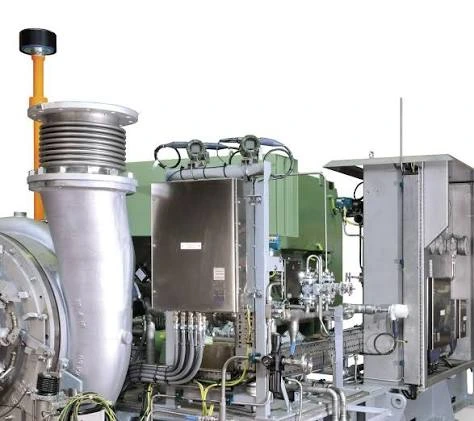
Rotary screw compressors and positive displacement blowers both do a deceptively simple job: trap a fixed volume of air or gas between rotating elements and push it from the low-pressure side to the high-pressure side, but that simplicity depends entirely on maintaining extremely tight, non-contacting clearances between the rotors and casing. Once those clearances grow beyond tolerance from wear, efficiency drops off noticeably, and if timing gears or bearings are neglected long enough, rotor contact and catastrophic failure become a real risk. As a specialist Howden Compressor Parts Supplier, Automabuy sources genuine rotors, timing gears, bearings, and shaft seals across Howden’s screw compressor and Roots-type blower ranges, with technical cross-referencing and full documentation. This guide covers the core wear components, why clearance precision matters so much on this equipment, how to identify correct replacement parts, and why sourcing through a knowledgeable supplier protects both efficiency and safety.
Why Compressor and Blower Clearances Are So Unforgiving
Unlike a centrifugal machine that tolerates some component wear with a gradual efficiency decline, a screw compressor’s rotors and a blower’s lobes run without touching, separated by clearances measured in thousandths of an inch and maintained purely by precision timing gears and bearing alignment rather than the rotating elements physically contacting each other. Timing gear wear, bearing wear that allows shaft deflection, or rotor erosion can all reduce that clearance margin, and if it closes entirely, the rotors contact directly an event that typically means immediate, often severe damage rather than a gradual performance decline. This is precisely why maintenance intervals and genuine parts matter more here than on many other types of rotating equipment.
Core Categories of Howden Compressor & Blower Spare Parts
The table below summarises the wear components common across Howden’s screw compressor and Roots-type blower ranges, along with what typically drives their replacement.
| Part Category | Function | Typical Wear Trigger |
| Rotors | Trap and displace air/gas volume through rotation (screw airends and Roots-type lobes) | Erosion, contamination-related wear |
| Timing Gears | Maintains precise, non-contacting clearance between rotors | Gear tooth wear affecting timing accuracy |
| Bearings | Supports rotor shafts and maintains alignment | Fatigue, lubrication breakdown |
| Shaft Seals | Prevents process gas leakage at shaft penetrations | Wear from continuous rotation |
| Capacity Control Valves | Regulates compressor output by adjusting effective rotor length | Actuator wear, slide surface scoring |
| Gaskets & Static Seals | Seals casing joints and static connections | Thermal cycling, compression set |
How to Identify the Right Compressor & Blower Replacement Parts
Ordering the correct parts starts with confirming the exact model, frame size, and rotor configuration from the nameplate, since Howden manufactures compressors and blowers across a wide range of sizes and rotor profiles for different flow and pressure requirements. The nameplate typically identifies the model, frame size, and often the specific rotor and gear arrangement information that’s essential for identifying correctly matched components rather than assuming compatibility based on similar external appearance.
• Record the full compressor or blower model, frame size, and serial number from the nameplate
• Confirm rotor profile and configuration before ordering rotor components
• Note timing gear specifications, since precision affects rotor clearance directly
• Check process gas composition for shaft seal material compatibility
• Retain worn parts for physical comparison if nameplate data is incomplete
Why Automabuy Is a Trusted Howden Compressor Parts Supplier
A generic or non-OEM timing gear that appears to fit can introduce subtle timing inaccuracies that reduce the rotor clearance margin below its designed safety buffer, increasing the risk of rotor contact under normal operating conditions. Non-genuine rotors manufactured to looser tolerances can create uneven clearances around the casing, causing localised wear or reduced efficiency that a generic parts catalogue listing wouldn’t reveal. Genuine Howden components are manufactured to the same precise tolerances as the original compressor or blower design, preserving both the clearance margin and the reliability the equipment was originally engineered to deliver.
Industries That Depend on Howden Compressor & Blower Reliability
Wastewater treatment facilities rely heavily on Roots-type blowers for aeration basin service, where continuous, reliable airflow directly supports the biological treatment process, while screw compressors handle instrument air and process gas duties on the same sites. Pneumatic conveying operations across food processing, cement, and bulk materials handling depend on this equipment for reliable, continuous air supply to move product through conveying lines. Vacuum and pressure applications in packaging and industrial processes rely on Howden compressors and blowers where precise, consistent flow matters to the underlying process. Biogas and renewable energy facilities apply both machine types for gas handling and process air applications supporting anaerobic digestion and gas conditioning systems.
The Automabuy Sourcing Process
When you contact Automabuy as your Howden Compressor Parts Supplier, our technical desk starts by confirming the exact compressor or blower model, frame size, and rotor configuration from your nameplate or existing documentation before quoting. Every part supplied is genuine, traceable to an authorised Howden channel, and accompanied by material certifications where applicable. For facilities managing multiple machines across different process areas, we maintain records of previously supplied parts per unit, so future maintenance orders are fast and accurate rather than requiring a fresh identification exercise every time. Urgent orders tied to unplanned compressor or blower maintenance are prioritised for expedited dispatch wherever inventory allows.
Frequently Asked Questions
How do I know which Howden compressor or blower spare parts my equipment needs?
Start with the model, frame size, and serial number stamped on the nameplate – Automabuy’s technical team can help confirm compatible parts if documentation is incomplete or the nameplate is illegible.
Why are timing gears so critical to compressor and blower reliability?
Timing gears maintain the precise, non-contacting clearance between rotors, and any wear or inaccuracy in the gears can reduce that clearance margin, increasing the risk of rotor contact and severe damage.
What happens if a compressor or blower’s rotor clearance closes completely?
Rotor contact typically results in immediate, often severe mechanical damage, unlike the gradual efficiency decline seen in many other types of rotating equipment when components wear.
Can Automabuy identify parts for an older or discontinued Howden model?
Yes. Our technical team cross-references legacy model numbers and physical characteristics to identify the correct current-production equivalent parts where available.
How quickly can urgent How are Howden compressor and blower parts shipped?
Automabuy prioritises urgent process-critical orders and works to expedite dispatch wherever stock allows, minimising unplanned process downtime.
Conclusion
A screw compressor or positive displacement blower’s reliability depends on maintaining precision clearances that are far less forgiving than the wear tolerances found on many other types of rotating equipment, making genuine, correctly specified replacement parts especially important. Sourcing parts from a Howden Compressor Parts Supplier who understands rotor profiles, timing gear precision, and documentation isn’t an added cost; it’s what keeps the machine performing exactly as it was originally engineered to. Automabuy’s technical sourcing team is ready to help you identify, quote, and deliver the correct parts for your next scheduled maintenance or emergency repair.