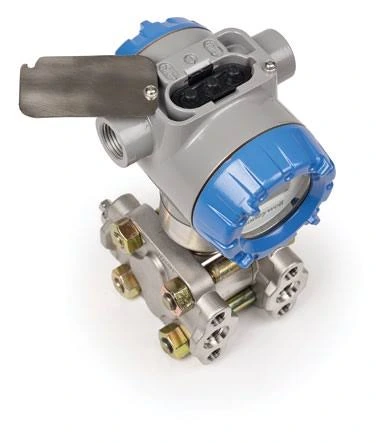







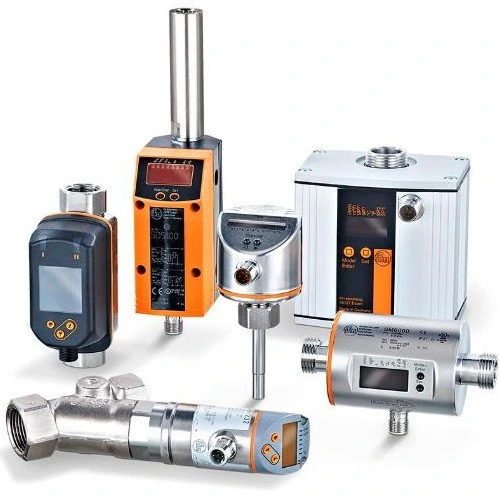
When cooling circuits run dry, lubrication lines starve, or process fluids drift outside safe limits, the first thing that should catch the problem is a properly specified flow sensor – which is exactly why choosing the right IFM Flow Sensor Supplier matters more than most engineers realise until something goes wrong. IFM Electronic’s flow sensors are trusted across manufacturing, processing, and machine-building industries for their compact design, calorimetric and paddle-wheel measuring principles, and rugged reliability in demanding environments. Automabuy supplies genuine IFM flow sensors backed by correct specification support, fast availability, and after-sales guidance, so your monitoring system catches problems before they become costly failures.
Why Automabuy Is a Dependable IFM Flow Sensor Supplier
Flow sensors are deceptively simple-looking devices that hide a surprising amount of engineering underneath – the wrong pipe fitting, an incompatible medium, or an incorrect switching output can render an otherwise good sensor useless in your specific application. Automabuy sources every unit through verified, authorised channels, ensuring the hardware you receive matches manufacturer specifications exactly, with full documentation and valid warranty coverage. Our technical team also cross-checks your process conditions, fluid type, pipe diameter, and required output signal before confirming an order, which prevents the common and costly mistake of installing a sensor that almost works but never quite delivers stable readings.
Understanding How IFM Flow Sensors Work
IFM flow sensors typically rely on one of two proven measuring principles, each suited to different applications. Calorimetric sensors detect flow by measuring the cooling effect a moving fluid has on a heated sensor tip – the faster the flow, the faster the heat dissipates, and this relationship is converted into a precise flow reading. This principle is especially popular for monitoring cooling water and coolant circuits because it has no moving parts and requires minimal maintenance. Paddle-wheel and turbine-style sensors, on the other hand, measure flow by counting the rotation of an internal wheel or vane as fluid passes through, offering excellent accuracy for cleaner fluids at higher flow rates. Selecting between these principles depends heavily on the fluid’s viscosity, cleanliness, and the accuracy tolerance your process demands.
Where IFM Flow Sensors Deliver the Most Value
● Machine tool cooling circuits and spindle lubrication monitoring
● Hydraulic power units requiring continuous oil flow verification
● Food and beverage processing lines needing hygienic, washdown-rated sensors
● Chemical dosing and injection systems requiring precise low-flow detection
● Compressed air and pneumatic systems for leak detection and efficiency monitoring
● Water treatment and HVAC systems for circulation and loss monitoring
Key Factors Before You Buy a Flow Sensor
● Fluid Type & Viscosity – Determines whether a calorimetric or mechanical measuring principle is more appropriate.
● Pipe Size & Fitting Type – Sensors must match your existing thread, flange, or insertion-style fitting to avoid costly rework.
● Flow Range & Accuracy Needs – Low-flow chemical dosing applications need very different sensitivity than high-volume cooling circuits do.
● Output Signal Compatibility – Confirm whether your control system requires analogue, switching, or IO-Link communication.
● Environmental Conditions – Temperature extremes, washdown cycles, and hazardous area classifications all affect sensor housing and rating requirements.
What Makes Automabuy Stand Out as Your Supplier
Not every distributor takes the time to verify your application before shipping a part – and that shortcut often costs plants far more in downtime than the sensor itself is worth. As a dedicated IFM Flow Sensor Supplier, Automabuy prioritises getting the specification right the first time. We help you confirm the correct measuring principle, fitting type, and electrical output before your order ships; maintain stock on frequently requested models to minimise lead times; and provide ongoing technical support if questions arise during installation or commissioning. For plants managing multiple facilities, we also offer bulk ordering and scheduled replenishment so critical flow sensors are always available when maintenance teams need them.
● Genuine, Verified Sourcing – Full manufacturer traceability and valid warranty on every unit.
● Application-Matched Specification – Correct measuring principle, fitting, and output confirmed before shipment.
● Stocked Inventory – Fast turnaround on commonly requested flow sensor models.
● Installation & Commissioning Support – Technical guidance available before and after your purchase.
● Bulk & Multi-Site Ordering – Flexible purchasing for plants with recurring or scheduled sensor needs.
Quick Comparison: Measuring Principles at a Glance
| Measuring Principle | Best Suited For |
| Calorimetric | Cooling water, coolant circuits, low-maintenance monitoring with no moving parts |
| Paddle-Wheel / Turbine | Clean fluids at higher flow rates requiring precise volumetric readings |
| Ultrasonic Inline | Applications needing non-contact measurement without wetted moving parts |
| Thermal Mass | Compressed air and gas flow monitoring for efficiency and leak detection |
Frequently Asked Questions
What is the difference between calorimetric and paddle-wheel flow sensors?
Calorimetric sensors measure flow through heat dissipation and have no moving parts, making them ideal for coolant monitoring, while paddle-wheel sensors use a rotating element and typically offer higher accuracy for clean fluids at higher flow velocities.
Can IFM flow sensors be used in hazardous areas?
Certain IFM flow sensor models are available with hazardous-area-rated configurations. Automabuy can help confirm the correct certification level required for your specific installation.
How do I know which fitting type I need?
Fitting type depends on your existing pipe or process connection, such as threaded, flanged, or insertion-style mounts. Automabuy’s technical team compares your current setup against available sensor configurations to confirm compatibility before you order.
Does Automabuy provide support after installation?
Yes. Automabuy offers technical guidance during commissioning and ongoing support if questions or issues arise after the flow sensor has been installed.
Are these sensors suitable for food and beverage applications?
Yes. IFM offers washdown-rated and hygienic-design flow sensors suitable for food and beverage processing environments requiring frequent cleaning cycles.
Conclusion
A flow sensor may be one of the smallest components on your process line, but the cost of getting it wrong is rarely small – unplanned downtime, damaged equipment, and wasted production time all trace back to measurement failures that a correctly specified sensor could have prevented. Before your next order, talk to our technical team – a short conversation upfront can save you from an expensive mistake down the line.