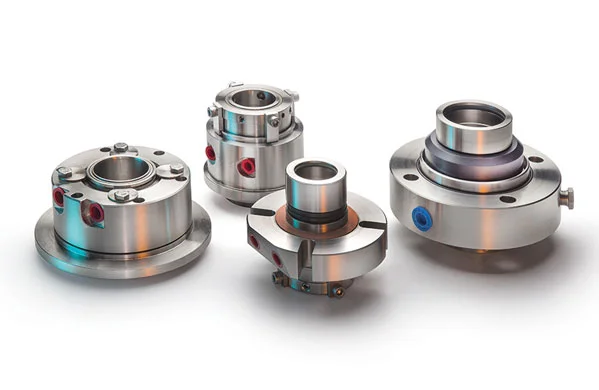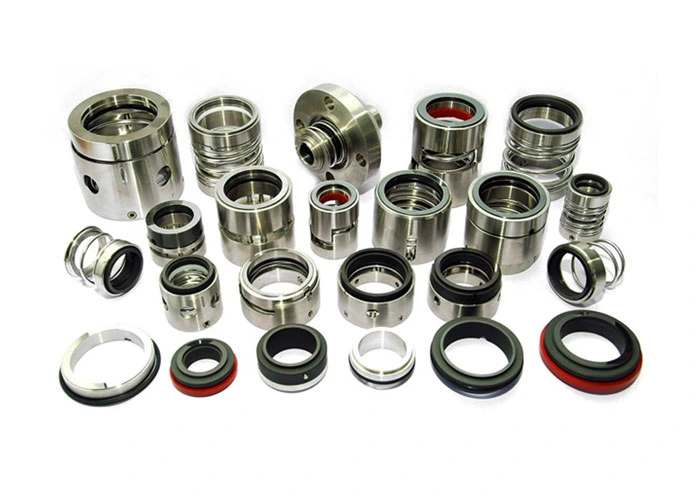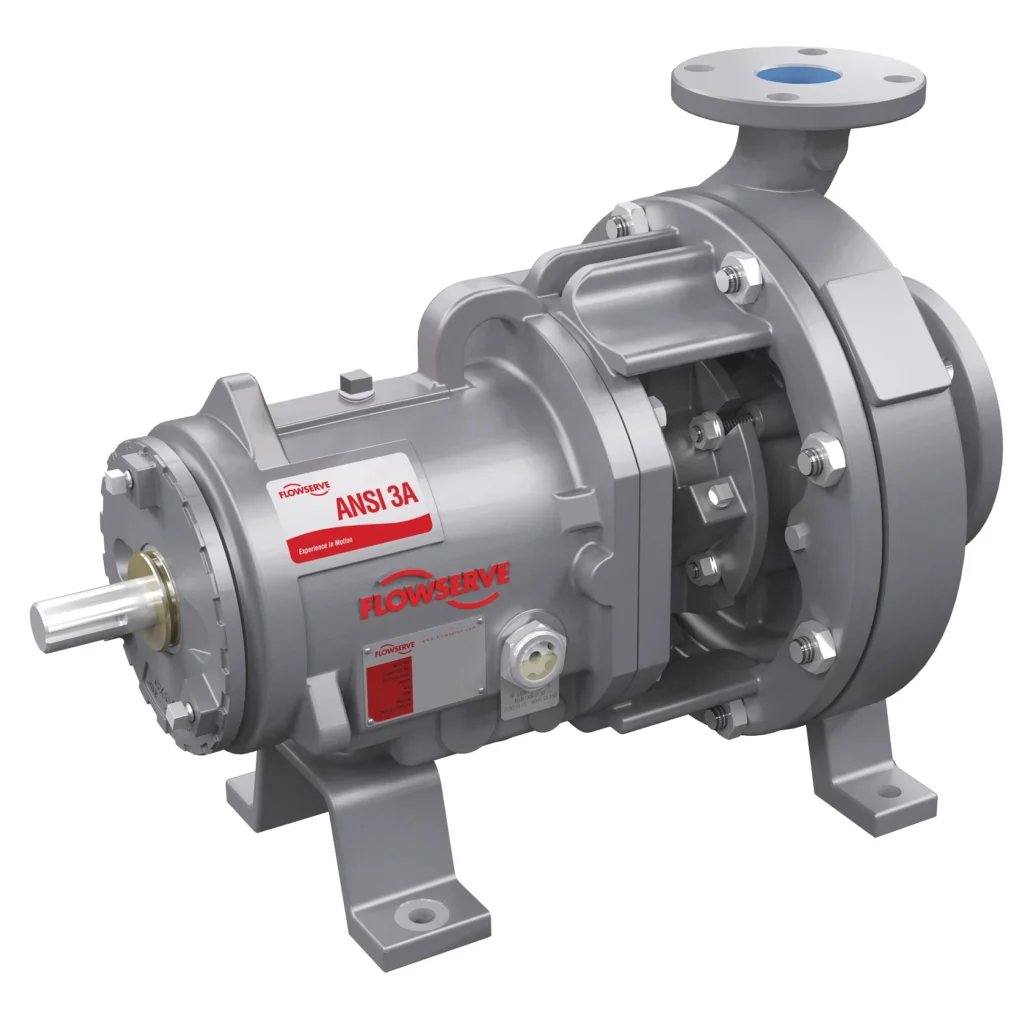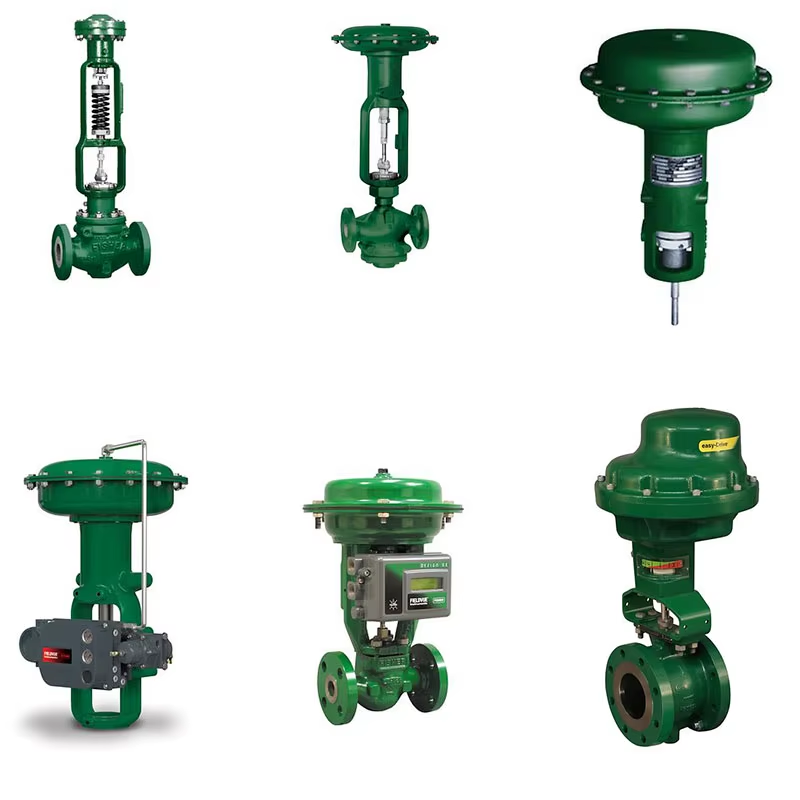







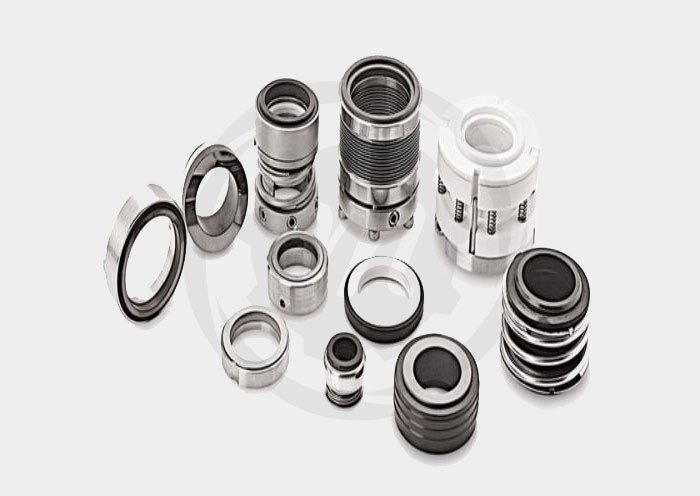
A leaking pump seal rarely fails suddenly; it degrades gradually, first as a faint drip, then a steady weep, until suddenly a bearing housing is contaminated or a hazardous process fluid is escaping into the environment. Getting the seal type and material selection right the first time is what keeps that slow degradation from ever becoming an unplanned shutdown. As a specialist Flowserve Mechanical Seal Supplier, Automabuy sources genuine Flowserve seals across the full range of designs from basic single cartridge seals to advanced dual and gas-lubricated configurations with application-specific selection support and transparent pricing. This guide covers the main seal types available, how they differ, what drives pricing, and why sourcing them through a knowledgeable supplier protects both pump reliability and your maintenance budget.
What Does a Mechanical Seal Actually Do?
A mechanical seal prevents process fluid from leaking along a rotating shaft where it exits a pump or other rotating equipment casing, replacing older packing-based sealing methods that relied on compressed fibrous material and tolerated a small amount of leakage by design. A mechanical seal instead uses a pair of extremely flat, precisely lapped faces, one rotating with the shaft and one stationary in the seal housing, pressed together by spring force to create a near-zero-leakage barrier, with a thin fluid film between the faces providing lubrication and heat dissipation during normal operation.
Why Flowserve? Mechanical Seal Supplier Shapes Both Reliability and Pricing
Not every application needs the same seal complexity, and this is exactly where working with an experienced Flowserve Mechanical Seal Supplier pays off. A single cartridge seal handling clean, non-hazardous fluid at moderate pressure and temperature costs considerably less than a dual seal with an external barrier fluid system required for toxic or flammable process media. Specifying more seal complexity than the application actually requires wastes budget, while under-specifying for a demanding service invites premature failure both mistakes are avoidable with proper application review before ordering.
Core Flowserve Seal Types & Typical Pricing Range
| Seal Type | Best Suited For | Typical Price Range (USD) |
| Single Cartridge Seal | Clean, non-hazardous fluids, moderate pressure | $500 – $2,000 |
| Dual Seal (Back-to-Back) | Hazardous, toxic, or flammable process fluids | $2,000 – $6,000 |
| Gas-Lubricated Dry Running Seal | High-speed compressors, zero-leakage requirements | $5,000 – $15,000+ |
| Slurry Seal (Flushed Design) | Abrasive or high-solids-content media | $1,500 – $4,500 |
Pricing above reflects typical general-industry ranges and varies significantly based on shaft size, materials of construction, and specific application requirements – Automabuy provides application-specific quotes rather than relying on generic price ranges for final purchasing decisions.
How to Select the Right Seal Configuration
Correct seal selection depends on matching design and materials to actual process conditions rather than defaulting to whatever was previously installed. Key factors to confirm before ordering include:
● Process fluid hazard classification: toxic, flammable, or environmentally sensitive
● Operating pressure and temperature range at the seal chamber
● Presence of solids or abrasives requiring a flushed or slurry-rated design
● Shaft speed and whether dry-running gas seal technology is warranted
● Regulatory requirements around fugitive emissions for the specific facility
Reusing a legacy seal specification without reviewing current process conditions is one of the most common and costly mistakes in seal replacement a process change made years after original installation can quietly invalidate the original seal selection without anyone realising it until a failure occurs.
Key Benefits of Genuine Flowserve Seals
● Precisely lapped seal faces manufactured to tight tolerance specifications
● Wide material compatibility across corrosive and abrasive process media
● Cartridge designs that simplify installation and reduce setup errors
● Proven reliability across decades of field deployment in demanding services
● Compatibility with API 682 requirements for petroleum and chemical industry service
Industries That Depend on Reliable Mechanical Seals
Oil and gas refining and processing facilities rely heavily on API 682-compliant dual seals for hydrocarbon service where fugitive emission control is both a safety and regulatory requirement. Chemical processing plants depend on precise material selection to handle corrosive or reactive process fluids without seal face degradation. Water and wastewater treatment facilities apply slurry-rated seals extensively on pumps handling high-solids-content sludge and process water. Power generation facilities use mechanical seals across boiler feedwater and condensate pumps where reliability directly affects plant uptime and efficiency.
The Automabuy Sourcing Process
When you contact Automabuy for a mechanical seal, our technical desk starts by reviewing your pump model, shaft size, and actual process conditions before recommending a configuration or providing pricing. Every seal supplied is genuine, traceable to an authorised Flowserve channel, and accompanied by material certifications where applicable. For facilities managing large pump populations, we maintain records of previously supplied seal configurations per pump tag, making future replacements fast and accurate rather than requiring a fresh specification exercise every time.
Frequently Asked Questions
How much does a Flowserve mechanical seal typically cost?
Pricing varies significantly by seal type and application, ranging from roughly $500 for a basic single cartridge seal to $15,000 or more for advanced gas-lubricated dry-running seals — Automabuy provides application-specific quotes rather than generic pricing.
When is a dual seal required instead of a single seal?
Dual seals are typically required for hazardous, toxic, or flammable process fluids where a single seal’s potential leakage path would present an unacceptable safety or environmental risk.
What is a gas-lubricated dry running seal used for?
Gas-lubricated seals are used in high-speed compressor applications and other services requiring near-zero leakage without the complexity of a liquid barrier fluid system.
Can Automabuy help select the right seal for my specific pump and process?
Yes. Our technical team reviews your pump model, shaft size, and process conditions to recommend the correctly configured seal type and material selection.
Are Flowserve seals compliant with API 682 requirements?
Yes, Flowserve offers seal configurations compliant with API 682, the industry standard for pump seals in petroleum and chemical industry service.
Conclusion
A mechanical seal is a small component relative to the pump it protects, but its correct selection determines whether that pump runs reliably for years or requires premature, costly intervention. Sourcing it from a Flowserve Mechanical Seal Supplier who understands both the technical selection criteria and realistic pricing expectations protects both equipment reliability and maintenance budget. Automabuy’s technical sourcing team is ready to help you specify, quote, and deliver the right seal configuration for your next pump installation or seal replacement.