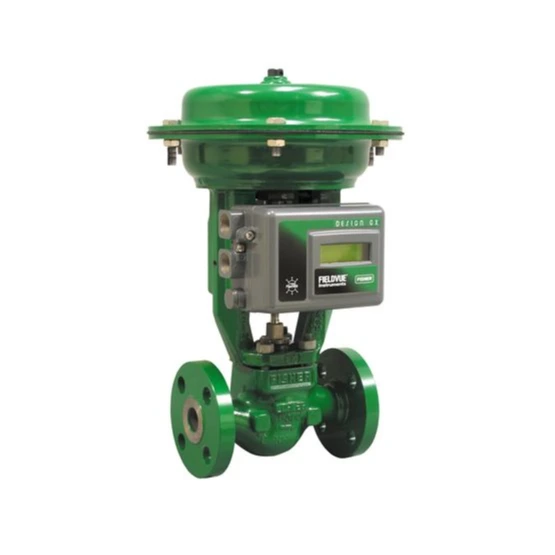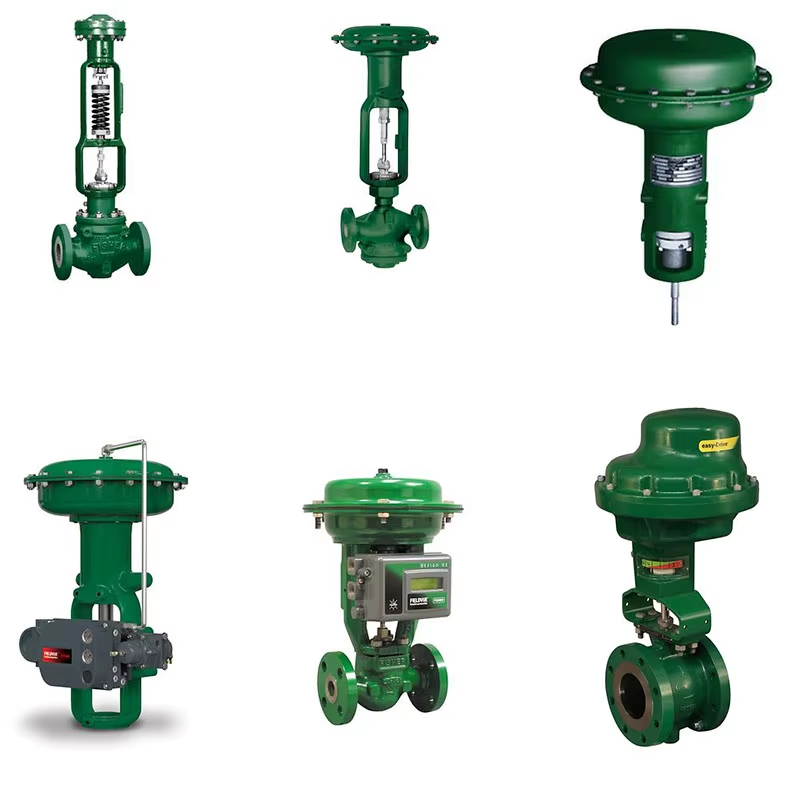







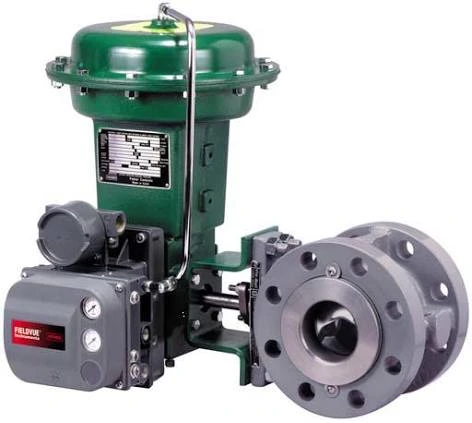
Some process applications don’t just need flow control – they need flow control that can handle slurries, fibrous solids, and viscous media without clogging or losing rangeability over time. That’s the exact problem a rotary V-notch ball valve was designed to solve, and few names in that category carry as much field-proven credibility as Fisher. The Fisher Vee-Ball Valve combines a contoured V-notch ball with a shearing action against the seat, giving it excellent rangeability and resistance to plugging in exactly the applications where a standard globe or butterfly valve would struggle. As a specialist supplier, Automabuy sources genuine Fisher Vee-Ball valves and related trim across the full size and pressure range, with application-specific sizing support and full documentation. This guide covers how the Vee-Ball design works, where it outperforms other valve styles, how to select the right configuration, and why sourcing it through a knowledgeable supplier matters.
How the Vee-Ball Design Actually Works
Unlike a standard ball valve built purely for on/off isolation, the Vee-Ball incorporates a V-shaped notch cut into the ball itself. As the ball rotates to modulate flow, the V-notch opening changes shape and area in a way that produces an equal-percentage flow characteristic, giving precise, predictable control across a wide range of valve travel. The rotating ball also creates a continuous shearing action against the seat, which helps cut through fibrous or stringy solids that would otherwise catch and build up on a standard valve trim, reducing the plugging issues common with slurries and viscous process media.
Where the Fisher Vee-Ball Valve Outperforms Other Designs
Standard globe valves offer excellent control precision but are prone to plugging in dirty or fibrous service, while conventional butterfly valves offer good flow capacity but comparatively limited rangeability for precise control tasks. The Fisher Vee-Ball Valve sits in a category of its own for applications combining both requirements – precise control and resistance to plugging – such as pulp stock, sewage sludge, and high-solids-content slurries, where other valve styles routinely underperform or require excessive maintenance.
Fisher Vee-Ball Configuration Options
| Series/Configuration | Key Feature | Typical Application |
| V150/V200 Series | Standard segmented ball, general process service | Chemical processing, general slurries |
| V300 Series | Metal-seated design for high-temperature service | Refining, high-temperature process lines |
| Cavitrol Trim Option | Anti-cavitation trim for high-pressure-drop service | Severe service, flashing/cavitating flow |
| Fire-Safe Certified Variants | Maintains seal integrity during fire exposure | Oil & gas, refining safety-critical service |
How to Select the Right Vee-Ball Configuration
Correct selection depends on matching the valve’s construction and trim to the actual process conditions, not just the pipe size. Key factors to confirm before ordering include:
● Process media characteristics – slurry solids content, fiber length, viscosity
● Required flow characteristic and control rangeability for the application
● Pressure drop and cavitation risk across the valve’s operating range
● Temperature service range and appropriate seat/seal material selection
● Fire-safe certification requirements for safety-critical hydrocarbon service
Skipping the cavitation assessment is one of the most common oversights in rotary valve selection – a valve that handles steady-state flow perfectly well can still suffer accelerated trim erosion if pressure drop conditions weren’t properly evaluated during specification.
Key Benefits of the Fisher Vee-Ball Design
● Excellent rangeability, often exceeding 300:1 in properly sized applications
● Self-cleaning shearing action that resists plugging from fibrous or stringy solids
● Compact, low-maintenance rotary design compared to bulkier globe-style valves
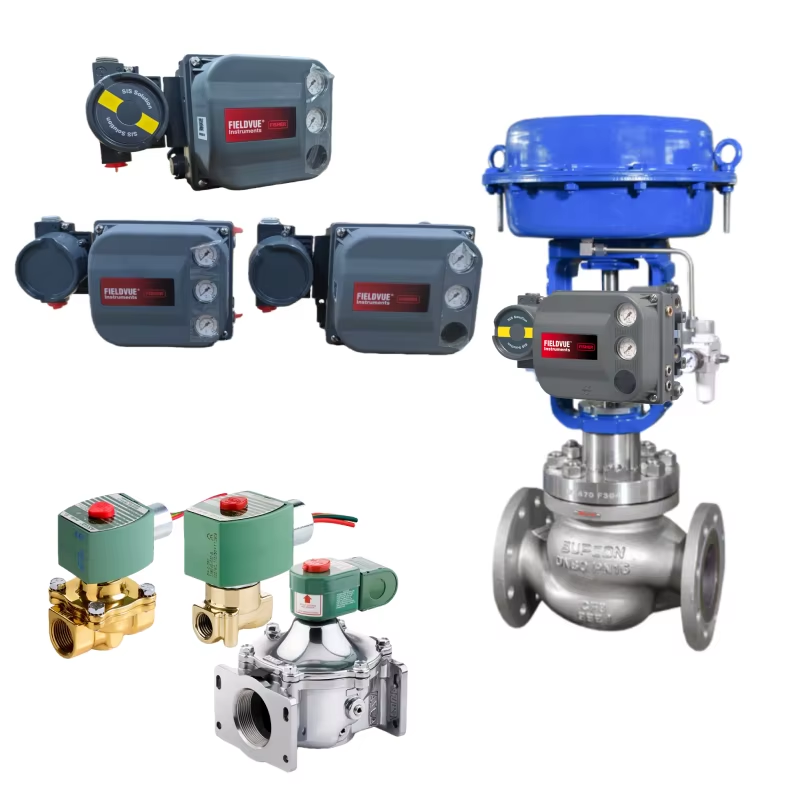
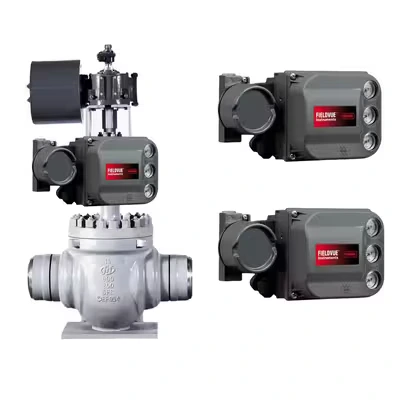
● Compatible with Fisher’s FIELDVUE digital positioners for advanced diagnostics
● Proven reliability across decades of severe-service field installations
Industries That Rely on Vee-Ball Technology
Pulp and paper mills use Vee-Ball valves extensively on stock and sludge lines where fibrous solids would quickly plug a conventional globe valve. Wastewater treatment facilities depend on the design’s resistance to plugging in sludge and slurry-handling applications throughout the treatment process. Mining and mineral processing operations apply Vee-Ball valves to abrasive slurry service where both control precision and wear resistance matter. Oil, gas, and refining facilities specify fire-safe certified variants for hydrocarbon service where valve integrity during a fire event is a critical safety requirement.
The Automabuy Sourcing Advantage
When you order a Vee-Ball valve through Automabuy, our technical desk reviews your process media characteristics, pressure drop conditions, and control requirements before a quote is issued, ensuring the trim and seat material match your actual service conditions rather than a generic default. Every valve shipped is genuine, traceable to an authorised Fisher channel, and accompanied by material certifications and documentation. For clients managing multiple process units, we maintain records of previously supplied valve configurations per application, making future replacements and capacity additions straightforward instead of a fresh specification exercise each time.
Frequently Asked Questions
What makes a Vee-Ball valve different from a standard ball valve?
A Vee-Ball valve incorporates a V-notch cut into the ball that creates a shearing action against the seat, giving it both precise flow control and resistance to plugging from fibrous or slurry-laden media, unlike a standard on/off ball valve.
Is the Fisher Vee-Ball valve suitable for high-temperature service?
Yes, the V300 series offers a metal-seated design specifically suited to high-temperature refining and process applications, in addition to standard soft-seated configurations for general service.
Can Vee-Ball valves handle cavitating or high-pressure-drop flow?
Yes, with the appropriate Cavitrol anti-cavitation trim option, Vee-Ball valves can be configured for severe service applications involving high pressure drop and flashing or cavitating flow conditions.
Can Automabuy help select the right Vee-Ball configuration for my application?
Yes. Our technical team reviews your process media, pressure conditions, and control requirements to recommend the correctly configured trim and seat material for your specific service.
Are fire-safe certified Vee-Ball valves available?
Yes, fire-safe certified variants are available for hydrocarbon and other safety-critical services where seal integrity during fire exposure is a code or safety requirement.
Conclusion
Few valve designs handle the combination of precise control and resistance to plugging as effectively as the rotary V-notch ball design, which is exactly why it remains a first choice across pulp, wastewater, mining, and severe-service oil and gas applications decades after its introduction. Getting the trim, seat material, and cavitation protection right at the specification stage is what determines whether a valve performs reliably for years or requires premature maintenance. Automabuy’s technical sourcing team is ready to help you specify, quote, and deliver the right Fisher Vee-Ball Valve configuration for your next installation or replacement.