






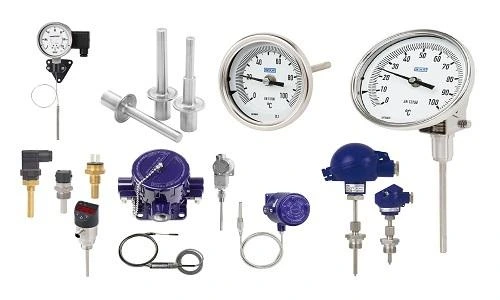
Few names carry as much weight in process measurement as WIKA, and for good reason — plants across nearly every industry rely on WIKA Industrial Instrumentation to keep pressure, temperature, and level readings accurate under conditions that would push lesser instruments to failure. From mechanical pressure gauges that have barely changed in principle for decades to advanced digital transmitters feeding real-time data into plant control systems, WIKA’s product range covers nearly every measurement point a facility could need. Automabuy supplies this full range through verified, authorised channels, helping engineers and procurement teams source the exact instrument their application demands, backed by genuine documentation and technical guidance from selection through installation.
Why Genuine WIKA Industrial Instrumentation Matters
Pressure gauges and temperature instruments look deceptively simple, which is exactly why counterfeit and grey-market units slip into supply chains undetected until they fail in the field. A gauge with an inaccurate Bourdon tube calibration, or a thermowell built from the wrong alloy for a corrosive process, can produce readings that look plausible right up until the moment they cause a safety incident or unplanned shutdown. Automabuy sources every instrument through WIKA’s authorized distribution network, so every gauge, transmitter, and calibration device you receive carries verified accuracy specifications, correct material certification, and a valid manufacturer warranty from day one.
The Complete WIKA Product Range at a Glance
● Pressure Gauges — Mechanical Bourdon tube, diaphragm, and capsule gauges for direct visual pressure indication across virtually any process condition.
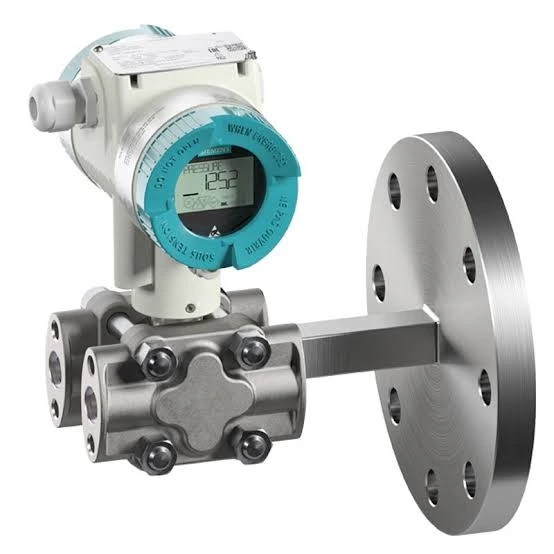
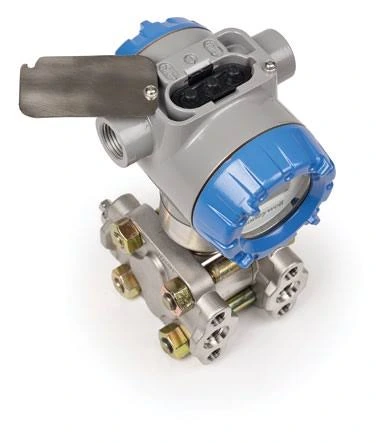
● Pressure Transmitters — Electronic instruments converting process pressure into precise 4–20 mA or digital signals for control system integration.
● Temperature Instruments — Bimetal thermometers, resistance thermometers (RTDs), thermocouples, and temperature transmitters for accurate thermal monitoring.
● Diaphragm Seals — Isolate sensitive measuring elements from corrosive, viscous, or high-temperature media while preserving accuracy.
● Level Measurement Instruments — Hydrostatic and differential pressure-based devices for tank and vessel level monitoring.
● Calibration Equipment — Precision test and calibration equipment used to verify and certify the accuracy of field instruments.
How to Choose the Right Instrument for Your Application
Selecting the correct WIKA instrument starts with understanding the process medium, since corrosive, high-viscosity, or high-temperature fluids often require a diaphragm seal or special wetted material rather than a standard gauge. The next consideration is accuracy class — a general-purpose process gauge and a test-grade precision gauge may look nearly identical externally but serve very different purposes. Connection size, dial size, and mounting orientation also matter for field readability and installation compatibility. Automabuy’s technical team reviews these details against your actual process conditions before confirming an order, which prevents the common and costly mistake of installing an instrument that technically fits but does not hold up under real operating conditions.
Industries That Depend on WIKA Instrumentation
● Oil, gas, and petrochemical processing requiring corrosion-resistant, high-pressure instruments
● Power generation for boiler pressure and steam temperature monitoring
● Pharmaceutical and food processing needing hygienic, sanitary-grade instruments
● Water and wastewater treatment for level and pressure monitoring across large systems
● Chemical manufacturing requiring diaphragm-sealed instruments for aggressive media
● Calibration laboratories and quality assurance teams verifying field instrument accuracy
Why Automabuy Is the Right Source for Your WIKA Instruments
Sourcing WIKA Industrial Instrumentation through Automabuy means every gauge, transmitter, and sensor you order is verified for authenticity before it ships, with complete manufacturer documentation and calibration certificates included. Our technical team helps confirm the correct accuracy class, wetted material, and connection type for your process; keeps frequently requested models in stock to minimise lead times; and provides ongoing support for calibration, recalibration, and troubleshooting long after your initial purchase. For plants managing multiple sites or scheduled maintenance programmes, we also support bulk ordering, aiming to simplify procurement across your entire instrumentation inventory.
● Authorised, Genuine Sourcing — Every instrument traceable to verified supply channels with valid warranty coverage.
● Application-Matched Specification — Correct accuracy class, wetted material, and connection type confirmed before shipment.
● Calibration & Recalibration Support — In-house services to keep instruments within specification over their service life.
● Stocked Inventory — Fast turnaround on commonly requested gauges and transmitters.
● Bulk & Multi-Site Ordering — Flexible purchasing for plants with recurring instrumentation needs.
Quick Reference: Instrument Types and Their Best Use
| Instrument Type | Best Suited For |
| Bourdon Tube Pressure Gauge | General-purpose visual pressure indication across most process lines |
| Diaphragm Seal Gauge | Corrosive, viscous, or high-temperature media requiring isolation |
| Pressure Transmitter | Continuous electronic pressure signal for control system integration |
| RTD / Thermocouple | Precise temperature measurement in process and safety-critical applications |
| Hydrostatic Level Sensor | Tank and vessel level monitoring using pressure-based measurement |
| Calibration Equipment | Verifying and certifying field instrument accuracy |
Frequently Asked Questions
How do I know if I need a diaphragm seal with my pressure gauge?
Diaphragm seals are recommended when the process medium is corrosive, viscous, contains solids, or operates at high temperatures, since they isolate the gauge’s internal measuring element from direct contact with the fluid.
What is the difference between an RTD and a thermocouple?
RTDs generally offer higher accuracy and stability over a moderate temperature range, while thermocouples can measure a much wider temperature range and respond faster, making the right choice dependent on your specific accuracy and range requirements.
Can Automabuy help verify the correct accuracy class for my application?
Yes. Automabuy’s technical team reviews your process requirements and regulatory needs to help confirm whether a general-purpose or precision-grade accuracy class is appropriate.
Does Automabuy provide calibration services after purchase?
Yes. Automabuy offers calibration and recalibration support to help keep WIKA instruments performing within specification throughout their service life.
Are these instruments suitable for hazardous area installations?
Certain WIKA instruments are available with hazardous-area-rated configurations. Automabuy can help confirm the correct certification level required for your specific installation.
Conclusion
Accurate pressure and temperature measurement is not a background detail in industrial operations — it is often the difference between a process running safely within limits and one drifting quietly toward failure. Automabuy brings all three of these together, combining verified sourcing, application-level technical guidance, and long-term calibration support to make sure every gauge, transmitter, and sensor you install performs exactly as intended. Whether you are commissioning a new process line or replacing an ageing instrument, talk to our team before you order — getting the specification right the first time is always cheaper than fixing it after installation.