






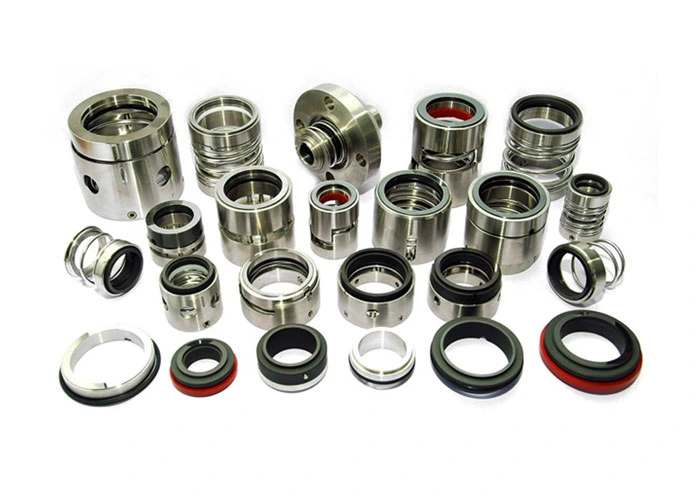
Flowserve’s mechanical seal catalogue spans several distinct series, each built around a different sealing philosophy – cartridge simplicity, dual-seal containment, gas-lubricated dry running, and split designs for equipment that can’t be disassembled for a seal change. Knowing which series actually applies to your pump, compressor, or mixer is the difference between a seal that runs trouble-free for years and one that becomes a recurring maintenance line item. As an experienced Flowserve Seal Supplier, Automabuy sources genuine seals across every major Flowserve series, with application review, cross-referencing against legacy part numbers, and full documentation on every order. This guide walks through the major seal series Flowserve offers, what distinguishes each one, how to match a series to your actual application, and why sourcing through a knowledgeable supplier protects both reliability and budget.
Understanding Flowserve’s Seal Series Lineup
Rather than a single universal seal design, Flowserve organises its catalogue around series that each target a specific combination of pressure, temperature, fluid hazard, and maintenance access requirements. A seal series isn’t just a model number – it represents a distinct engineering approach to containing process fluid, and mixing series inappropriately across similar-looking applications is one of the more common specification errors facilities make when relying on memory rather than a proper application review.
Major Flowserve Seal Series at a Glance
| Series | Design Philosophy | Typical Use Case |
| ISC Series | Cartridge, single or dual configuration | General industrial pump service |
| GSD Series | Gas-lubricated, dual-pressurised | High-hazard, zero-emission applications |
| Split Seal Series | Field-installable without pump disassembly | Large or hard-to-access rotating equipment |
| Slurry-Duty Series | Flushed design with abrasion-resistant faces | Mining, mineral processing, wastewater |
Why Working With an Experienced Flowserve Seal Supplier Matters
Each series above has sub-variants, material options, and configuration choices that go well beyond what’s printed on a general product brochure, and getting these details wrong is easy to do without dedicated application review. An experienced Flowserve Seal Supplier cross-checks the pump or equipment model, shaft size, process fluid, and hazard classification against the correct series and configuration before an order ships, catching mismatches – like specifying a general cartridge seal for a service that actually requires gas-lubricated containment – that a generic parts reseller has no process for identifying.
How to Match a Seal Series to Your Application
Working through these questions helps identify the correct series before requesting a quote:
● Does the equipment allow disassembly, or does a split seal design make more sense?
● Is the process fluid hazardous enough to require dual or gas-lubricated containment?
● Does the media carry abrasive solids, requiring a slurry-duty flushed design?
● What is the required fugitive emission performance for regulatory compliance?
● What is the shaft speed, and does it warrant dry-running gas seal technology?
Key Benefits of Sourcing Across the Full Flowserve Range
● Access to the correct series for every application rather than a one-size-fits-all default
● Consistent documentation and material certification across all seal types
● Cross-referencing support for legacy or superseded part numbers
● Application review that catches series mismatches before they become failures
● Single technical point of contact across a facility’s entire seal population
Industries That Rely on the Full Flowserve Seal Range
Oil and gas refining facilities typically need several series simultaneously – GSD gas seals on hydrocarbon compressor service, ISC cartridge seals on general utility pumps, and split seals on large, hard-to-access equipment. Mining and mineral processing operations depend heavily on slurry-duty seals for abrasive tailings and process water transfer. Chemical processing plants often require dual-containment configurations for reactive or toxic media alongside standard cartridge seals on less hazardous utility services. Power generation facilities apply a similar mix, with split seals particularly valuable on large boiler feedwater pumps where full disassembly for a seal change would mean extended, costly downtime.
The Automabuy Sourcing Advantage
When you contact Automabuy for a mechanical seal, our technical desk reviews your equipment model, shaft configuration, and process conditions across the entire Flowserve series lineup before recommending a specific product, rather than defaulting to whatever series was previously installed. Every seal supplied is genuine, traceable to an authorised Flowserve channel, and accompanied by material certifications where applicable. For facilities managing a mixed population of pumps and rotating equipment, we maintain records of previously supplied seal series per equipment tag, helping standardise future orders and simplify spare parts planning across the plant.
Frequently Asked Questions
What’s the difference between a cartridge seal and a split seal?
A cartridge seal is a pre-assembled unit installed as a single package, typically requiring some equipment disassembly, while a split seal is designed in two halves that can be installed around the shaft without fully disassembling the equipment.
When is a gas-lubricated seal preferred over a liquid dual seal?
Gas-lubricated seals are typically preferred for high-speed equipment and applications requiring near-zero leakage without the added complexity and cost of a liquid barrier fluid system.
Are slurry-duty seals different from standard cartridge seals?
Yes, slurry-duty seals incorporate flushed designs and abrasion-resistant seal faces specifically engineered to handle high-solids-content media that would rapidly wear a standard cartridge seal.
Can Automabuy help identify the right seal series for my equipment?
Yes. Our technical team reviews your equipment model, shaft configuration, and process conditions to recommend the correct Flowserve series and configuration for your application.
Can Automabuy standardise seal series across a facility with mixed equipment?
Yes. We can review your existing equipment population and help standardise seal series selection where appropriate, simplifying spare parts inventory and maintenance planning.
Conclusion
Flowserve’s seal lineup spans a genuinely wide range of engineering approaches, and matching the right series to each application is what separates a seal population that runs reliably for years from one that generates constant maintenance tickets. Sourcing across that full range from one knowledgeable Flowserve Seal Supplier ensures every seal – whether it’s a general cartridge design or a specialised gas-lubricated containment seal – is correctly matched to its actual service. Automabuy’s technical sourcing team is ready to help you specify, quote, and deliver the right seal series for your next installation or facility-wide seal review.